

Garage Door and Gate Services
Five kinds of work, three on the garage door and two on the driveway gate. Each one has its own page with the warning signs, the parts involved and the questions people ask before they call.
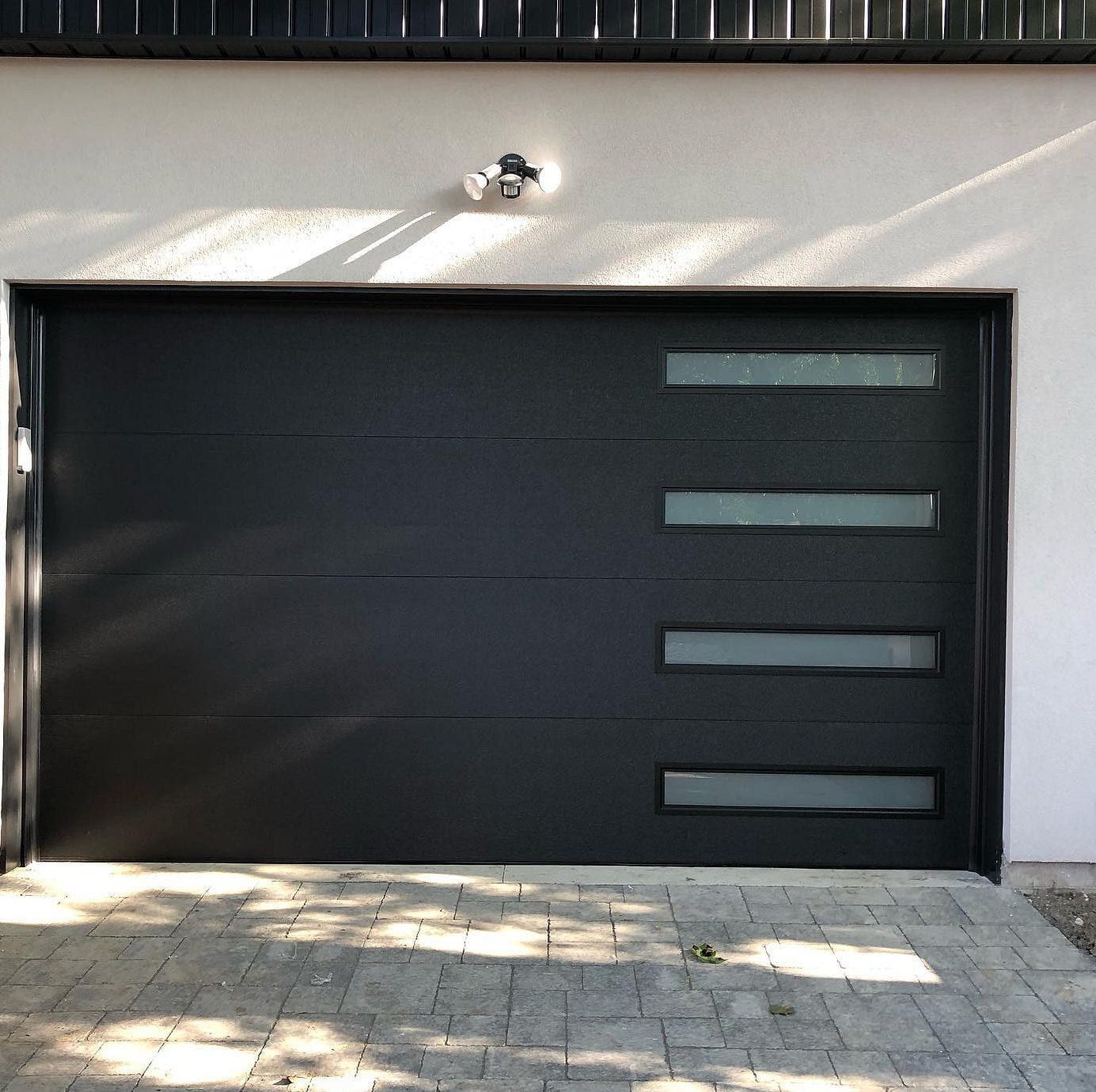
The Five Jobs
Most calls fit one of these. A door that will not open is usually a repair; a door that is dented, rotted or simply worn out after many repairs is a replacement; a door that hums and does not move points to the opener. Gates split the same way: a new gate, or a gate and its operator that need putting right.
-
Garage Door Repair
Springs, cables, rollers, tracks and panels on a door that still has years left in it.
Signs you need this Garage door
-
New Garage Door Installation
A new door measured to the opening, hung on new tracks and hardware, when repair stops making sense.
Signs you need this Garage door
-
Garage Door Openers
Replacing or repairing the motor that lifts the door, with its remotes, keypad, sensors and app control.
Signs you need this Garage door
-
Driveway Gate Installation
New swing or slide gates for a driveway or a long acreage entrance, with or without an automatic operator.
Signs you need this Driveway gate
-
Gate Repair and Operators
Gates that sag, drag or stop halfway, and operators, keypads and remotes that no longer answer.
Signs you need this Driveway gate
When You Only Know Something Is Wrong
You do not need the name of the part. A bang from the garage, a door that closes and pops back up, a gate that hums but stays shut: each of these points to a likely cause, and the signs and symptoms page matches what you see or hear to the service that fixes it, with a note on how urgent it is.
The Services Side by Side
The table sets the five side by side. The last column says whether the work is on the garage door or on the gate, since a few problems sound alike on both.
More columns to the right: swipe.
| Service | What it covers | Typically needed when | Door or gate |
|---|---|---|---|
| Garage Door Repair | Springs, cables, drums, rollers, hinges, tracks and damaged panels | The door will not move, moves crooked, bangs, or a spring has snapped | Door |
| New Garage Door | A new door, its tracks and hardware, and taking down the old one | Panels are cracked or rotted, repairs keep coming back, or the door no longer suits the house | Door |
| Garage Door Openers | The motor unit, rail, remotes, keypads, safety sensors and app control | The opener hums without lifting, reverses for no reason, or the remote only works up close | Door |
| Driveway Gate Installation | New swing or slide gates, posts or pillars, and an automatic operator if wanted | There is no gate yet, or the old one is past repair | Gate |
| Gate Repair and Operators | Hinges, rollers, latches, posts, gate operators, keypads and remotes | The gate sags, drags, stops halfway or no longer answers the remote | Gate |
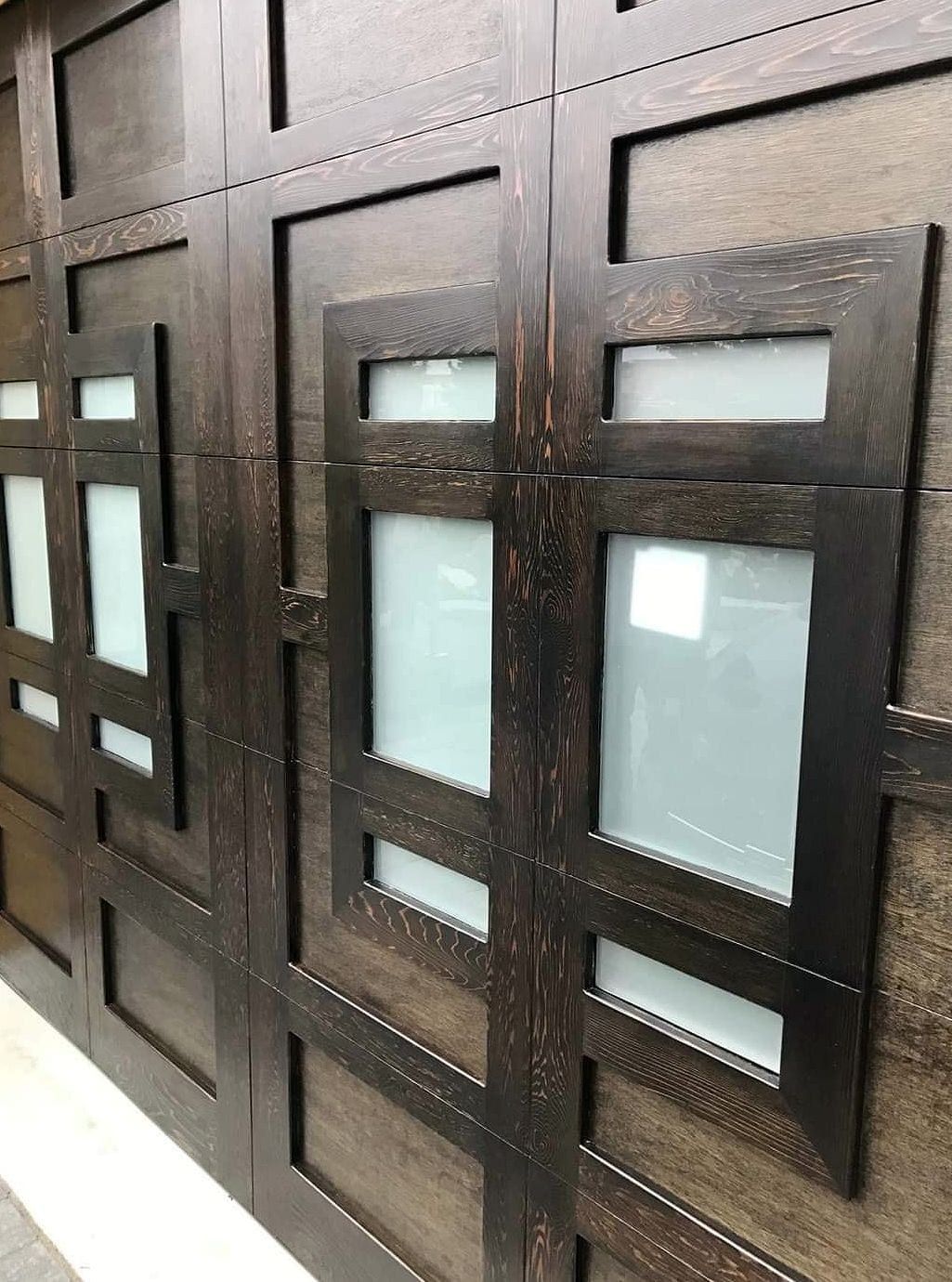
Repair or Replace
The questions below come up on most calls about an older door. The honest answer depends on the door in front of us, so these are the usual rules of thumb, not a verdict.
How do I know if my door needs a repair or a new door?
If the panels are sound and the trouble is a spring, a cable, a roller or a bent section of track, it is a repair: those parts wear out and are meant to be replaced. When panels are cracked, rusted through or rotted, or the door has needed one repair after another, a new door usually costs less over the next few years than keeping the old one going.
Can one dented panel be replaced on its own?
Sometimes. It depends on whether a matching section is still made for that door. On older doors the panel is often discontinued, and then the choice is between living with the dent and replacing the whole door.
Does an old opener have to go when the door is replaced?
Not always. An opener that runs smoothly and reverses properly can often stay. If it is very old, noisy or lacks working safety sensors, replacing it with the door saves a second visit.
Is a gate problem ever really an opener problem?
Often. A gate that will not move may have a seized hinge or roller, or an operator that has lost power or its settings. The gate repair page lists what each symptom usually points to.