

New Garage Door Installation
A new door is measured to the opening, chosen for the look of the house and the way the garage is used, and hung on new tracks, springs and hardware so every part starts out matched.
Signs You Need This
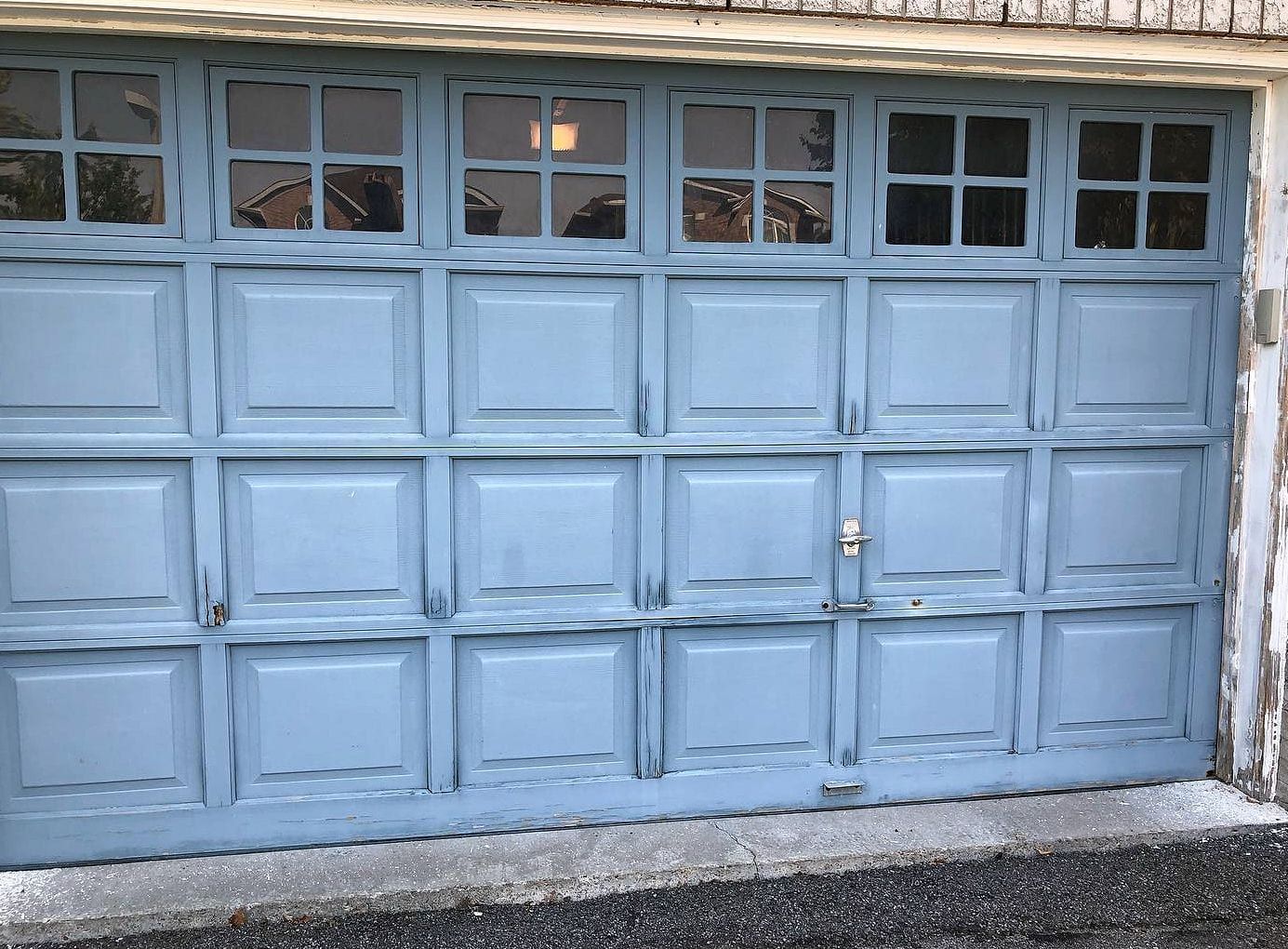
- Panels dented, cracked or rusted through beyond repair.
- The same door needing one repair after another.
- A door old enough that its parts and sections are no longer made.
- A door that no longer suits the house after a remodel or a new paint scheme.
- Damage after an impact: a car, a storm, a trailer backed in too far.
None of these makes a new door urgent on its own. A door that still opens, closes and seals can wait while you decide; a door bent by a car usually cannot.
Materials and How They Wear
Most new doors in town are steel, with aluminum and glass for modern houses and wood-look finishes for warmer fronts. Sun and salt are the two things that age a door here, so upkeep matters as much as the look.
More columns to the right: swipe.
| Material | Look | Upkeep | Good to know |
|---|---|---|---|
| Steel, raised panel | Classic panels, white or a painted color | A wash now and then, touch up scratches before rust starts | The most common choice; comes insulated or not |
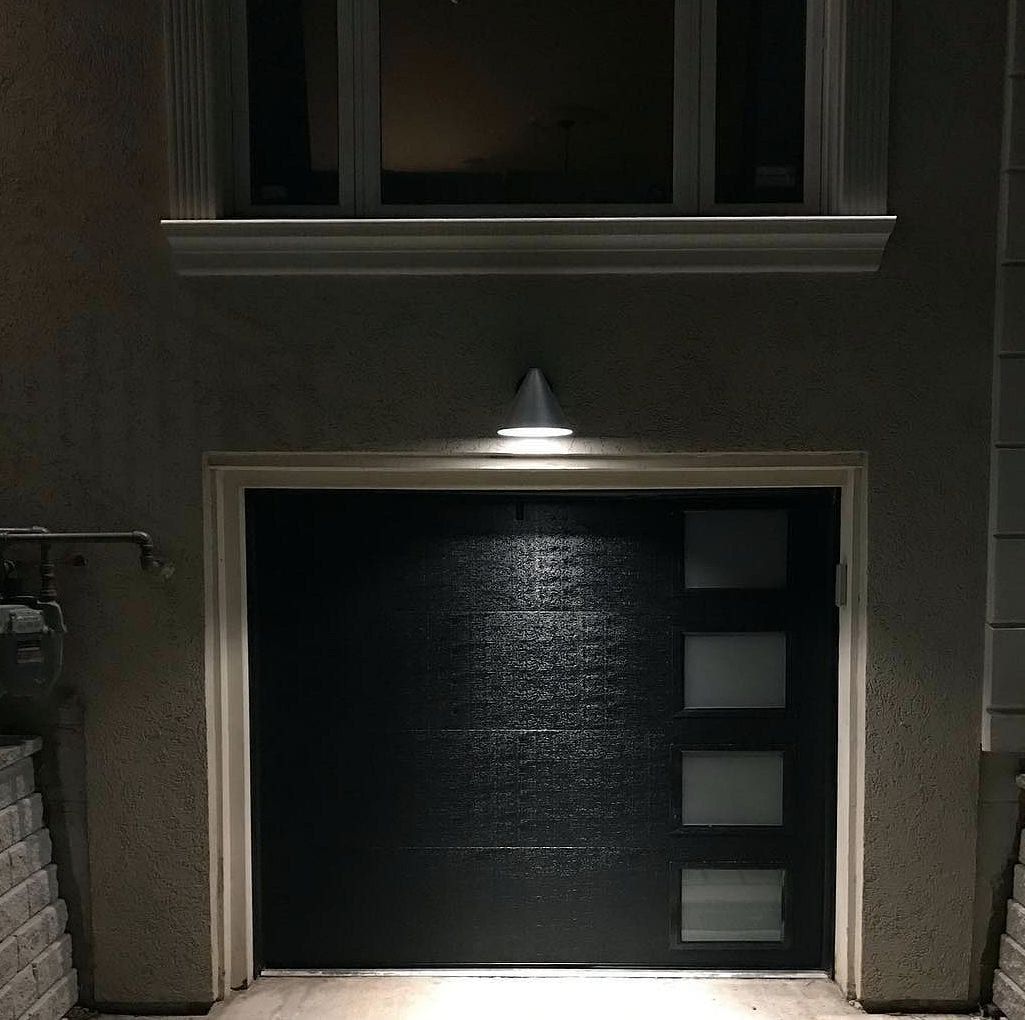
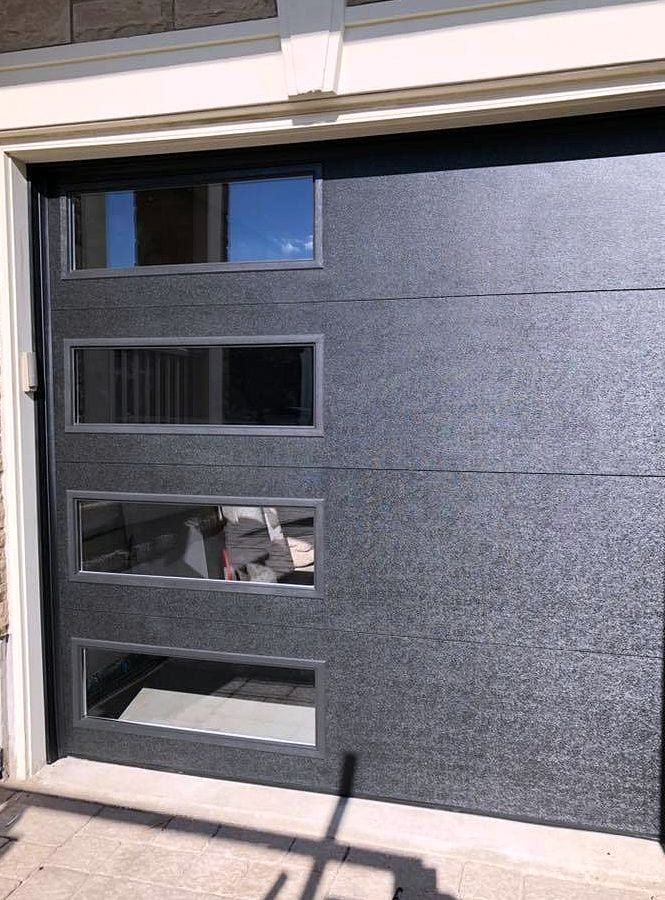
| Steel, flush or long panel | Smooth, modern lines | As above; dark colors show dust and run hotter in the sun | Often paired with a column of windows on one side |
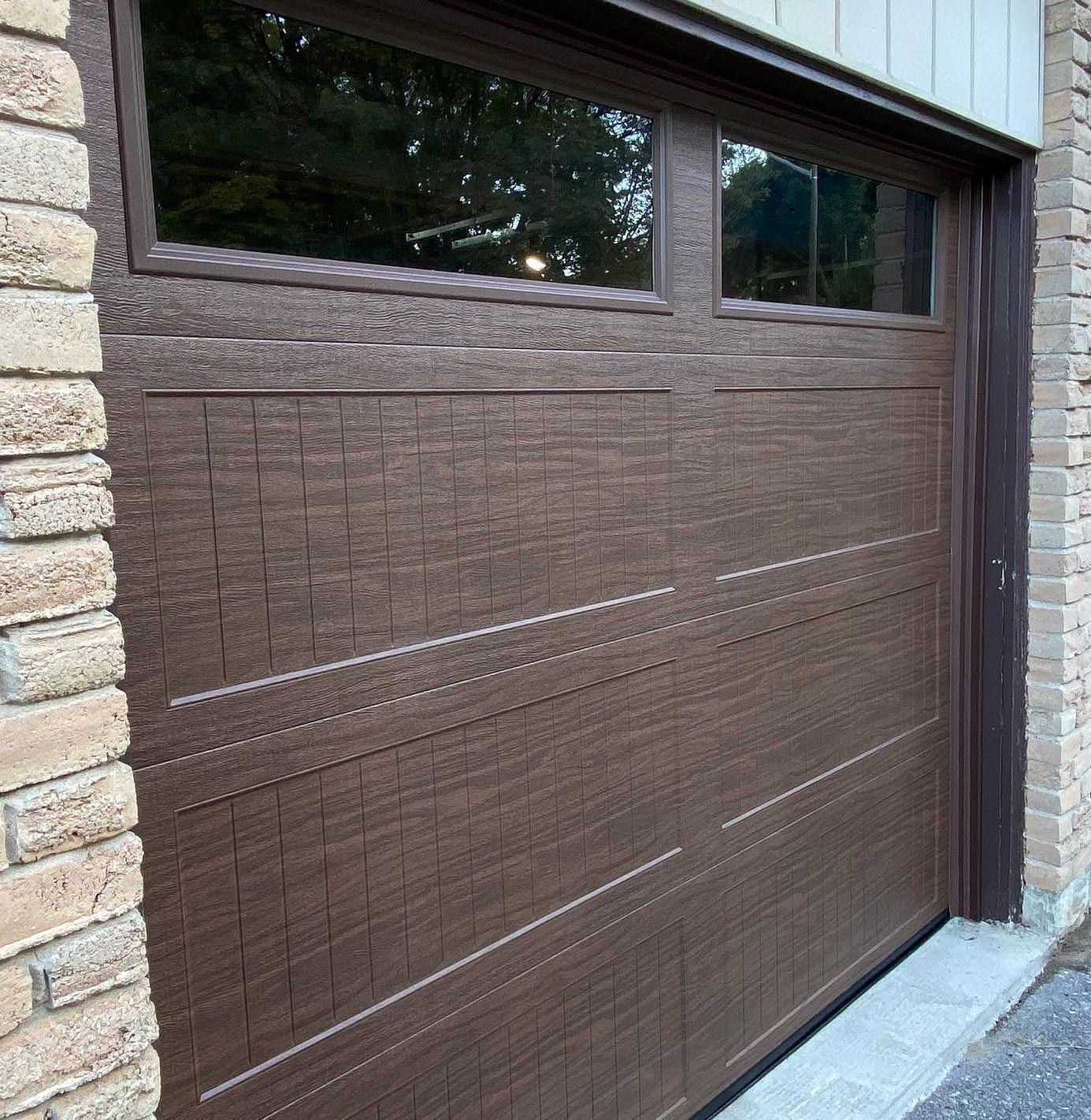
| Wood-look steel | Wood grain printed on steel | Low: no sanding or staining | Carriage-house styles with handles and strap hinges |
| Aluminum and glass | Full-view panes in a slim frame | Glass to clean; aluminum does not rust | Lets light in; frosted glass keeps the garage private |
| Real wood | Natural grain, custom shapes | Regular sealing or paint against sun and moisture | Heaviest option, so springs are sized to match |
What to Decide Before You Call
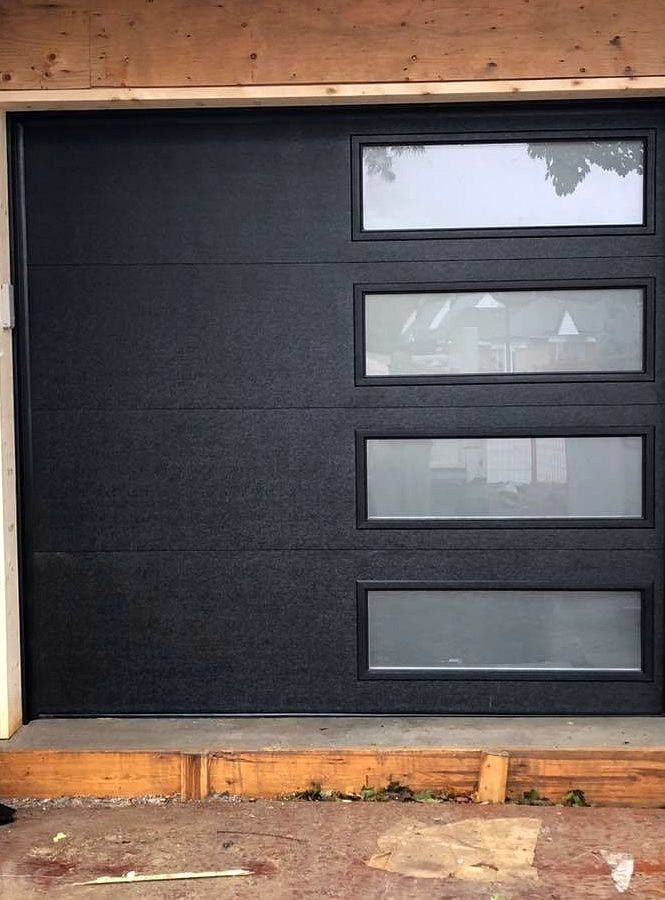
You do not need every answer, but these are the questions the visit will cover. Having a rough idea of each makes the estimate quicker.
- Opening size: width and height of the opening, measured inside the garage.
- Style: raised panel, flush, carriage-house or full-view.
- Windows: none, a row across the top, or a column down one side.
- Insulation: worth it for a garage used as a workshop or one with a room above.
- Color: to match the trim, the front door or the house.
- Opener: keep the one you have, or replace it at the same time.
In Lee County a replacement door generally has to carry a wind-load rating suited to the house, so that rating is part of choosing the door, not an afterthought.
How a New Door Goes In
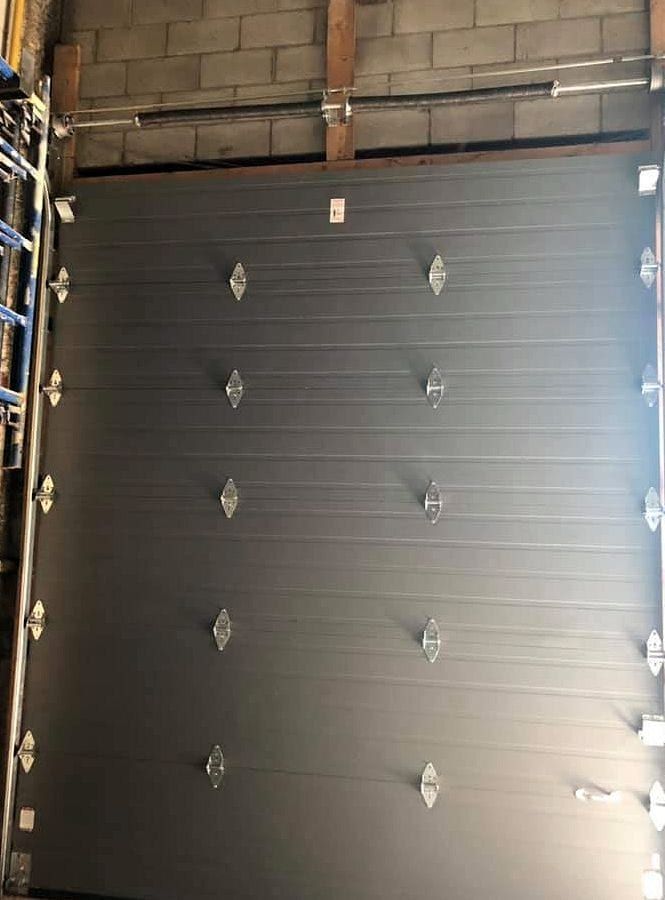
The old door comes down section by section once its springs are let off safely. New tracks are set plumb and level, the sections are stacked and hinged one on top of the next, and new springs are matched to the weight of the new door. Then the opener is reconnected or replaced, the limits are set, and the door is run up and down until it travels smoothly and seals at the floor.
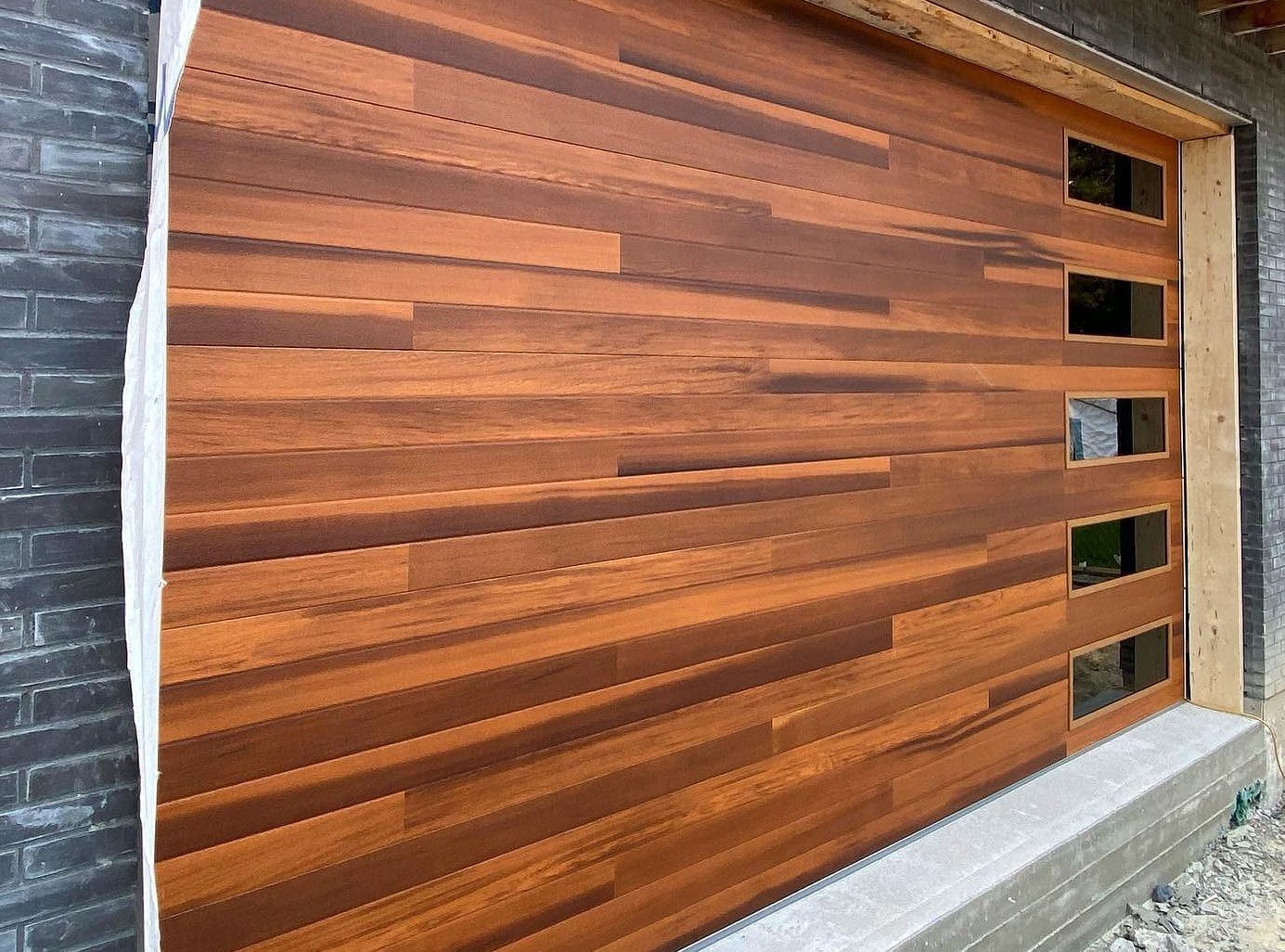
On a new opening, such as a garage that was framed or rebuilt, the door goes in after the framing and before the trim, so the jambs can be checked square first.
The Old Door and the Opener
What happens to the old door?
Taking the old door down is the first part of installing the new one: its springs are let off, then it comes apart section by section. Ask at the estimate how the old door leaves the property.
Does the opener need replacing too?
Only if it is worn, very noisy, lacks working safety sensors, or is too light for the new door. A heavier insulated or wood door can be too much for an older, smaller opener. The opener page explains the types.
Can I keep my old remotes?
If the opener stays, yes. A new opener comes with its own remotes, and most can also learn a keypad and a phone app.
How long does the door take to install?
In this trade a single door is usually a day’s work. A double door, a new opening, or a new opener at the same time can add to that.